Comparing New vs. Used Auto Parts: What You Need to Know
When it comes to repairing or upgrading your vehicle, one of the key decisions you'll face is whether to choose new or used auto parts. Both options have their advantages and drawbacks, and understanding these can help you make an informed decision that suits your needs and budget.
Quality and Reliability
New auto parts typically come with the assurance of quality and reliability. They are manufactured to the latest specifications and often include warranties that provide peace of mind. However, this reliability comes at a cost, making new parts generally more expensive than their used counterparts.
On the other hand, used auto parts can be a cost-effective alternative, especially for older vehicles. While they might not have the same guarantees as new parts, many reputable dealers offer tested and certified used components that are both affordable and reliable.
Cost Considerations
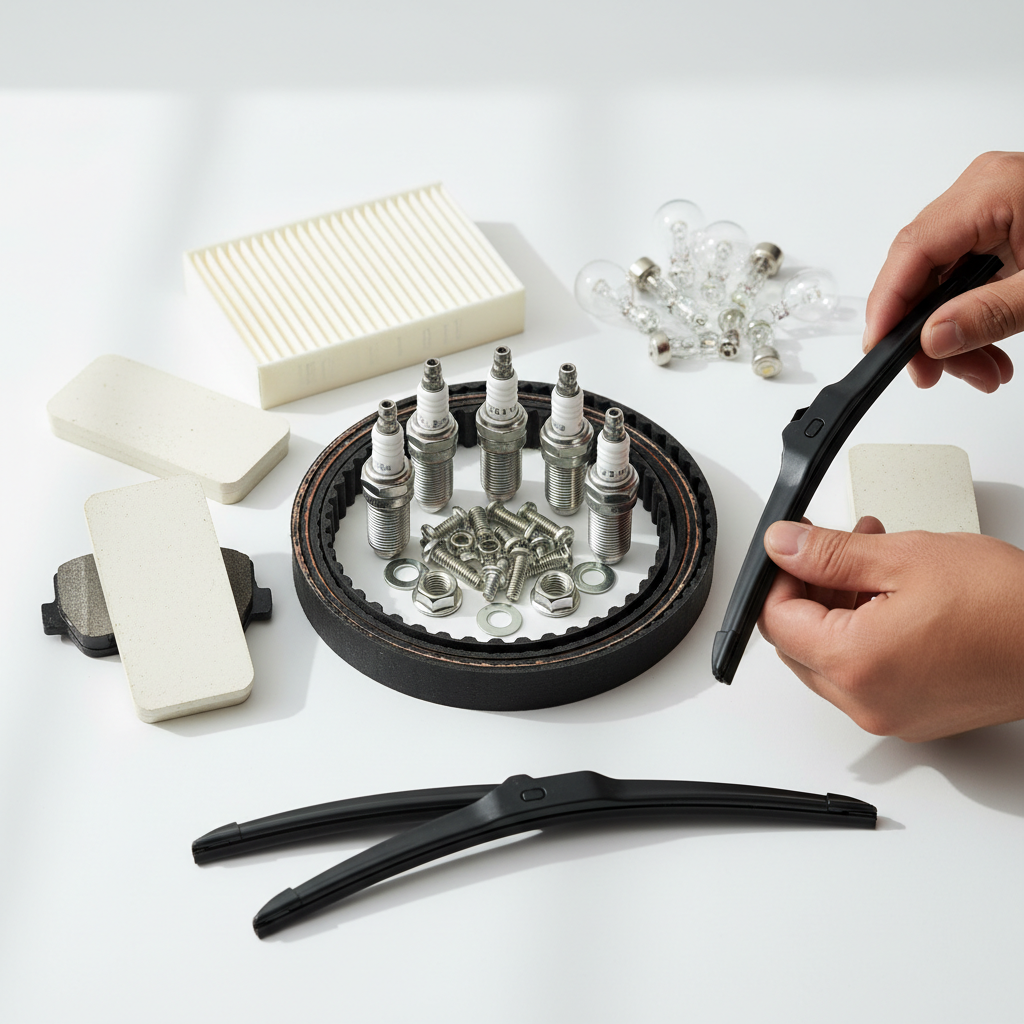
Budget is often a significant factor when deciding between new and used parts. New parts tend to be pricier due to their pristine condition and warranty coverage. If your budget allows, new parts can be a worthwhile investment for critical components.
For those looking to save money, used parts offer a more economical solution. Not only are they less expensive, but purchasing used parts can also help reduce environmental waste, contributing to a more sustainable practice.
Availability
Availability can be a deciding factor when choosing between new and used parts. New parts are generally easier to source, especially for current models. They are available directly from manufacturers and authorized dealers, ensuring you get the exact part you need.
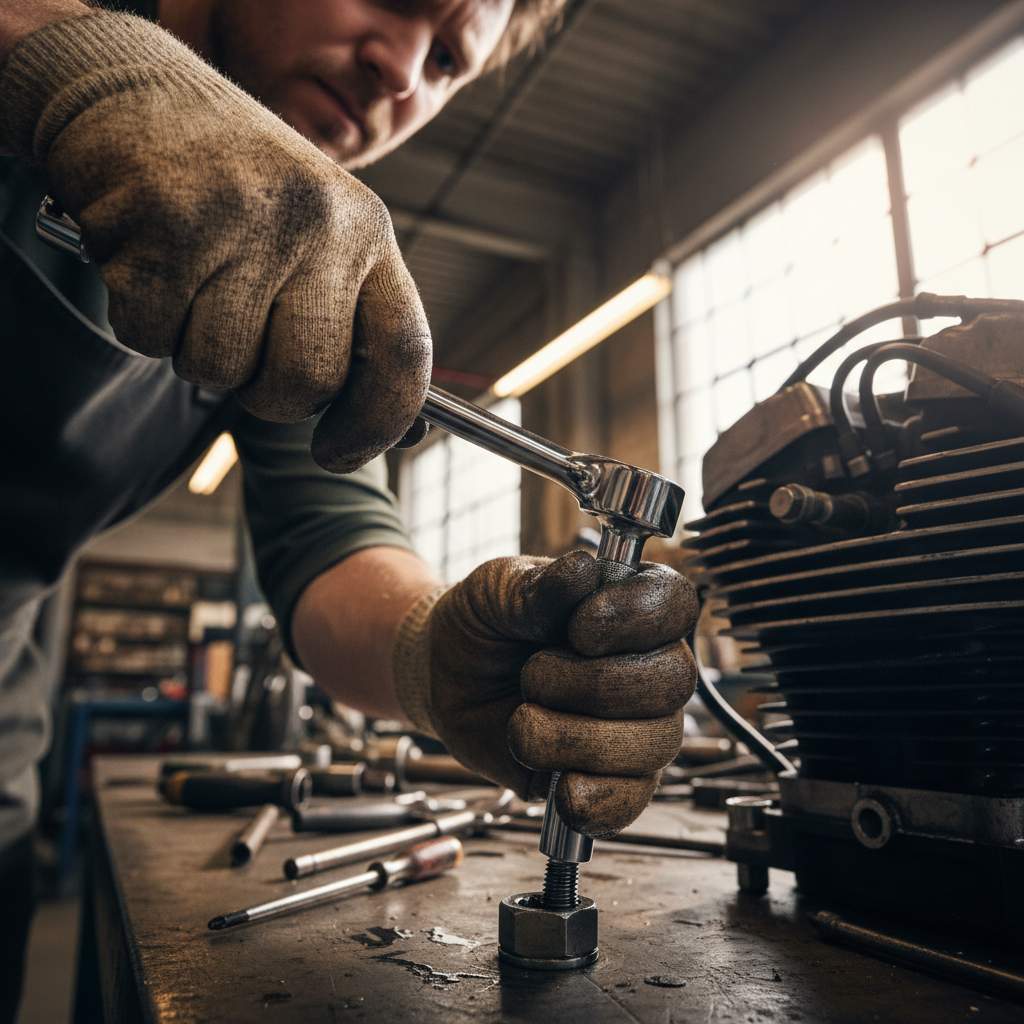
Used parts, however, can sometimes be challenging to find, particularly for newer or less common vehicles. Salvage yards and online marketplaces are excellent resources, but availability can vary widely depending on your vehicle's make and model.
Performance and Compatibility
When it comes to performance, new parts are typically more reliable, providing the best fit and functionality. They are designed to integrate seamlessly with your vehicle, ensuring optimal performance.
Used parts, while potentially less reliable, can still offer good performance if sourced from a reputable dealer. It's essential to ensure that the used part is compatible with your vehicle's specifications to avoid any issues.
Environmental Impact
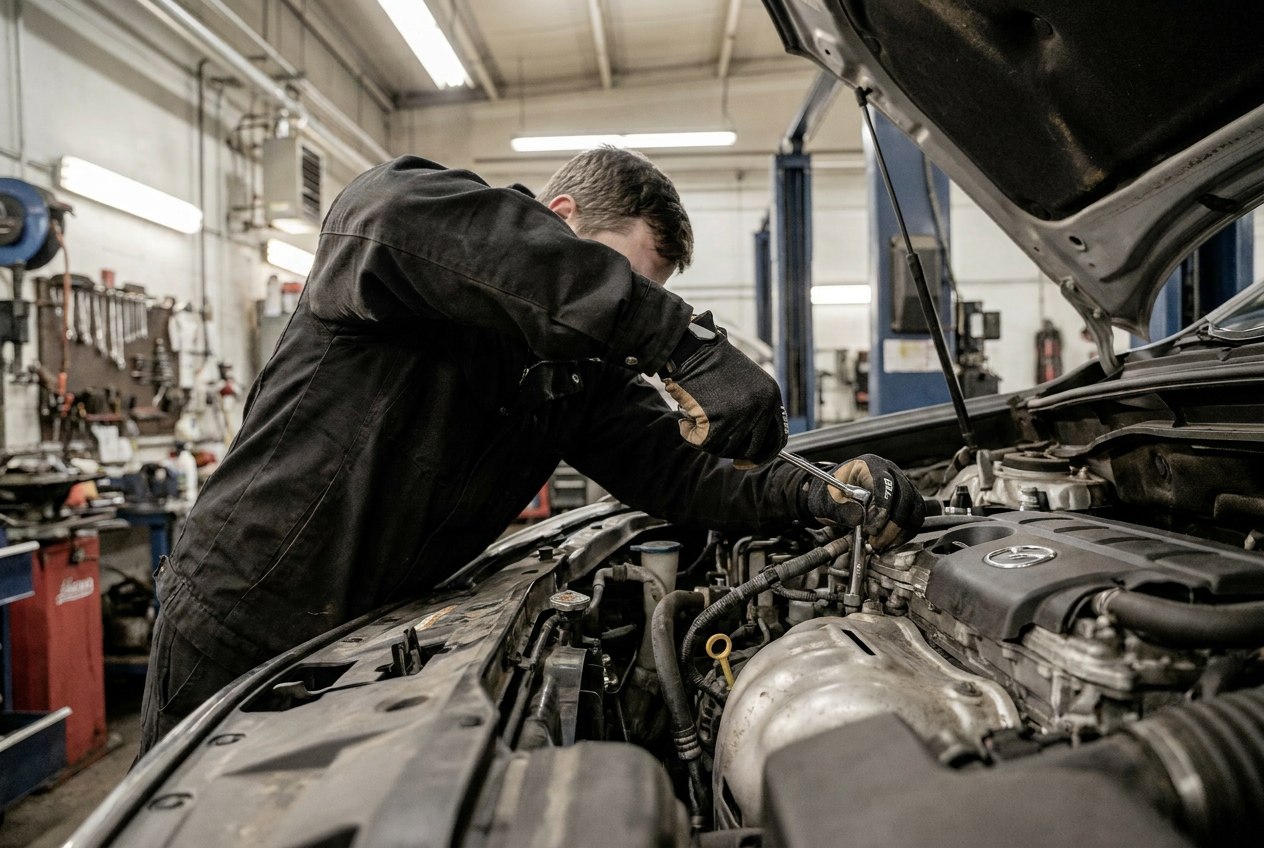
Choosing used auto parts is a more environmentally friendly option. It helps reduce the demand for new manufacturing, which in turn lowers the environmental footprint associated with the production of new parts. Recycling and reusing parts contribute to a more sustainable automotive industry.
In contrast, new parts require raw materials and energy for production, which can have a more significant environmental impact. Opting for used parts can be a small but meaningful step towards promoting sustainability.
Conclusion
Deciding between new and used auto parts depends on various factors including budget, availability, and personal preference. New parts offer reliability and performance but at a higher cost. Used parts provide a budget-friendly alternative and support sustainability. Weighing these considerations will help you make the best choice for your vehicle's needs.