How to Install Used Auto Parts: A Step-by-Step Guide
Installing used auto parts can be a cost-effective way to repair your vehicle. With a little patience and the right tools, you can do it yourself and save a significant amount of money. This guide will walk you through the process, ensuring you get the most out of your used parts.
Gathering the Necessary Tools and Parts
Before starting, make sure you have all the necessary tools and parts. Check that the used part is in good condition and compatible with your vehicle. Common tools you might need include a wrench set, screwdrivers, and pliers. Having a vehicle manual handy can also be beneficial.
Where to Find Quality Used Parts
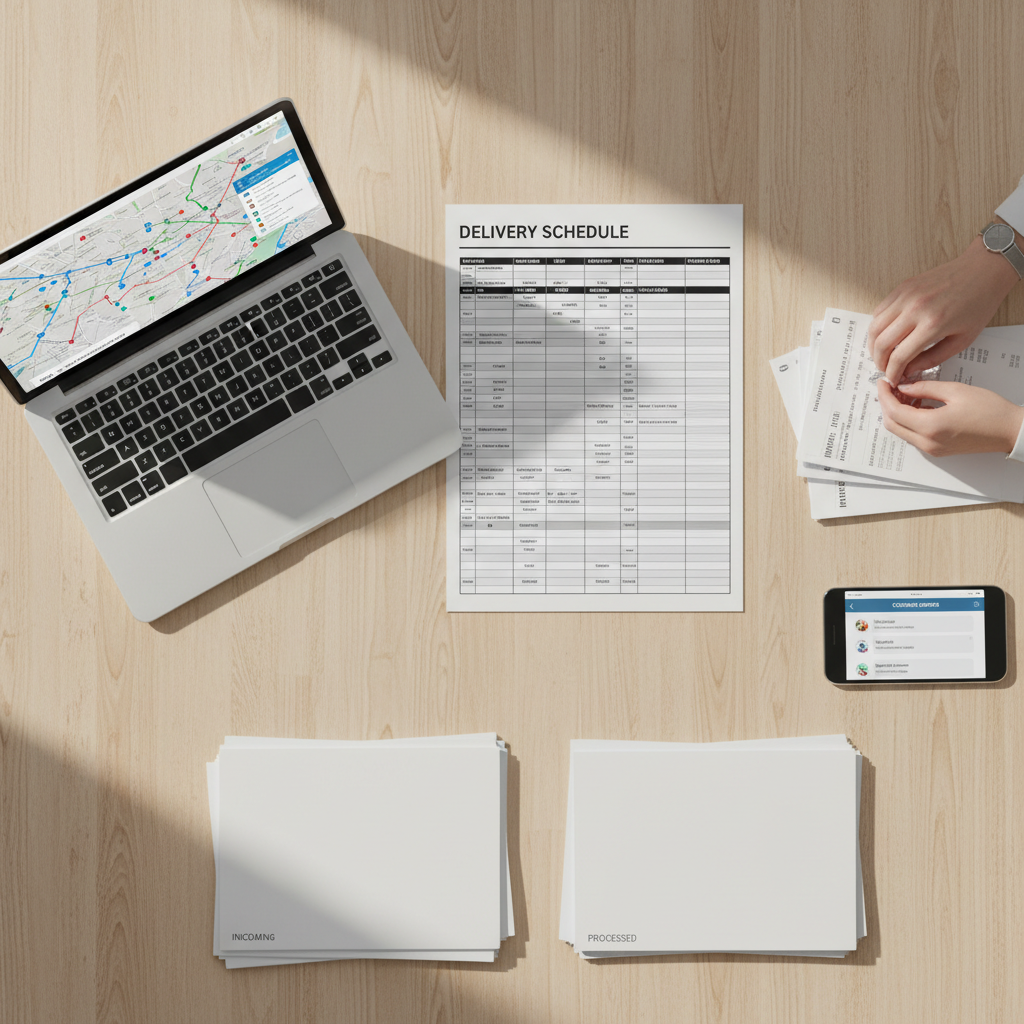
Look for reputable salvage yards or online marketplaces specializing in used auto parts. Ensure the part comes with a warranty or return policy. This provides some assurance in case the part doesn’t work correctly.
Preparing Your Vehicle
Safety should be your top priority. Make sure your vehicle is parked on a level surface and the engine is off. Use wheel chocks and a jack stand to prevent any movement while you work. Disconnect the battery to avoid any electrical issues during installation.
Cleaning and Inspecting the Part
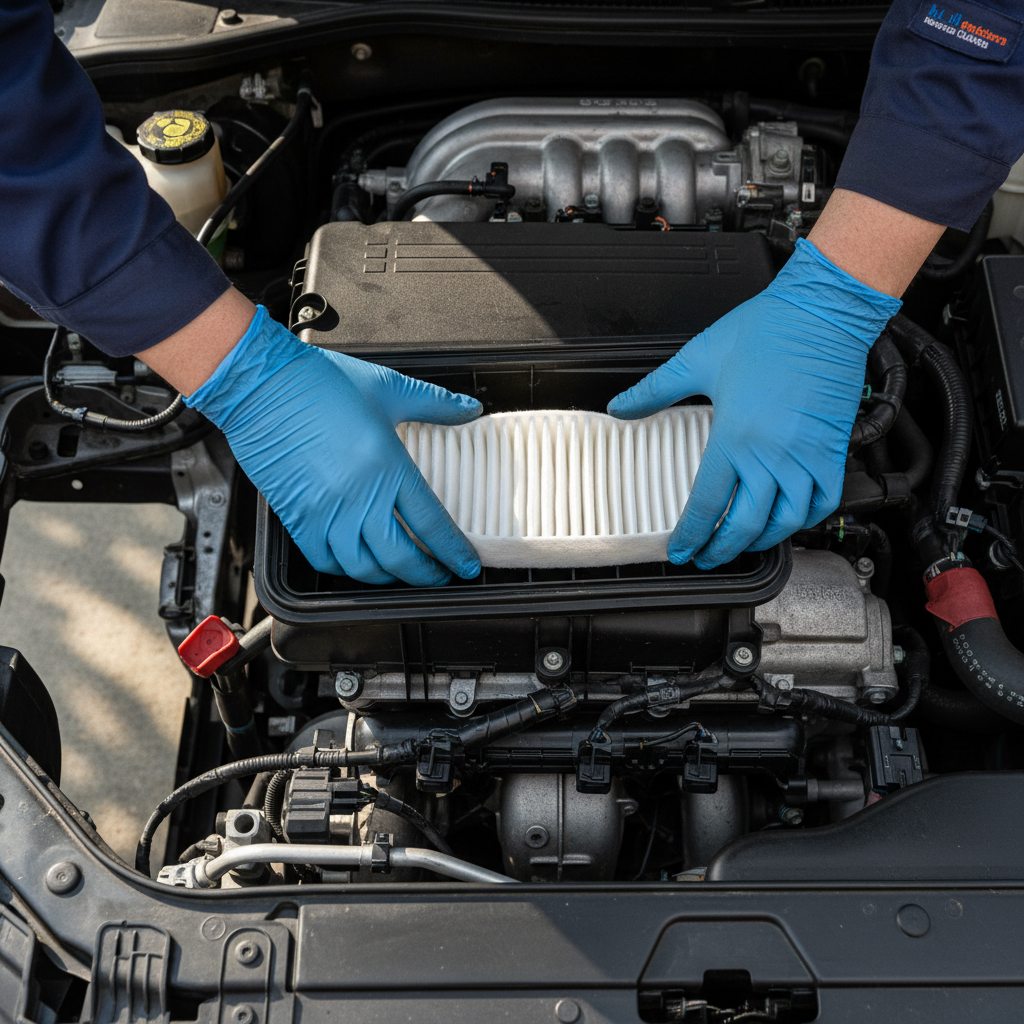
Before installation, thoroughly clean the used part. Check for any cracks, rust, or damage that might affect its performance. If everything looks good, you're ready to proceed with the installation.
Installing the Used Auto Part
Follow these general steps to install your used auto part:
- Remove the old part: Carefully detach the old part, taking note of how it was installed. This will help guide you when attaching the new one.
- Attach the used part: Position the used part and secure it with the appropriate bolts or screws. Ensure it is firmly attached and aligned correctly.
- Reconnect any electrical connections: If applicable, reconnect any wires or plugs to ensure the part functions properly.
Testing the Installation
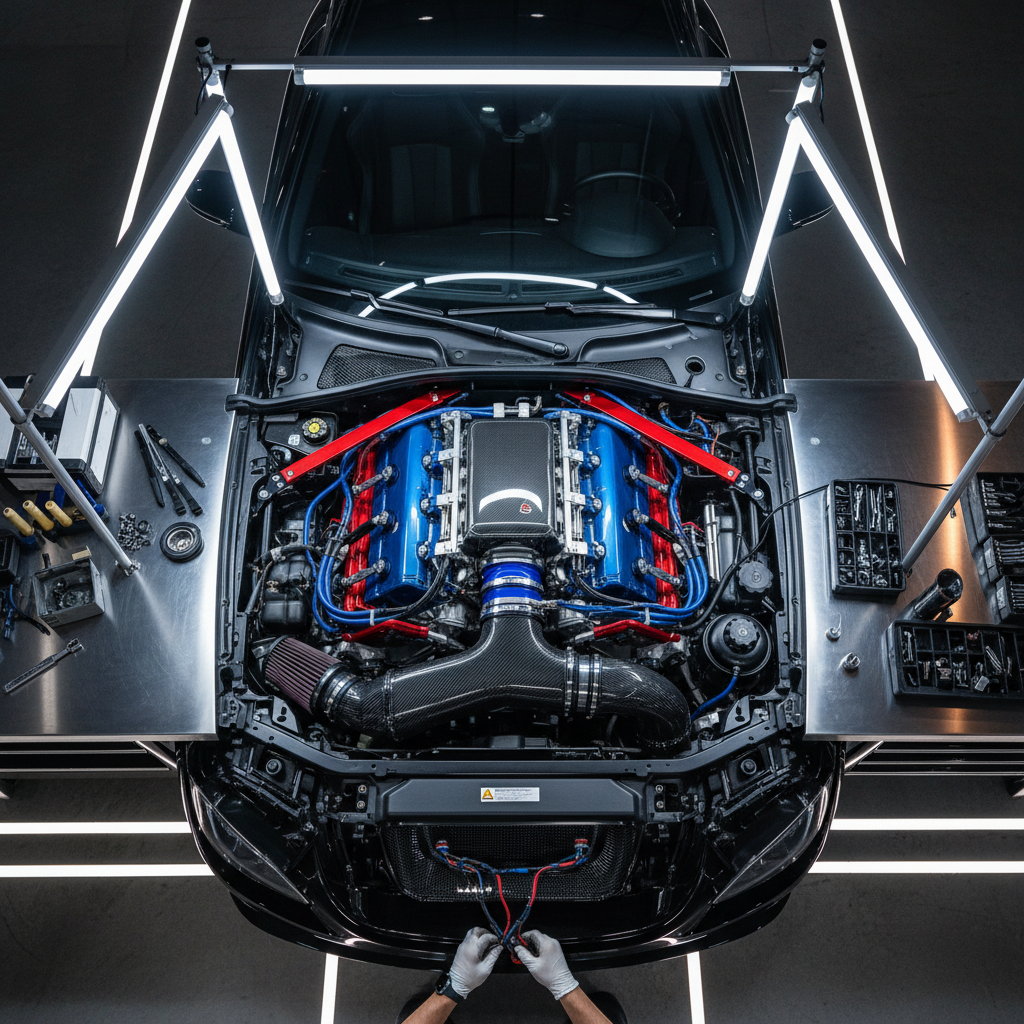
Once installed, it’s crucial to test the part. Reconnect the battery and start the engine. Listen for any unusual noises and check for leaks or other issues. If everything seems normal, take your vehicle for a short test drive to ensure the part is working as expected.
Troubleshooting Common Issues
If you encounter problems, recheck the installation to ensure everything is properly secured. Consult your vehicle’s manual or reach out to a professional if the issue persists. Don’t hesitate to seek help if needed.
Maintaining Your Used Auto Parts
Regular maintenance can extend the life of your used auto parts. Keep them clean and monitor for signs of wear or damage. Address minor issues before they become major problems to ensure the longevity of your vehicle’s components.

By following these steps, you can successfully install used auto parts, saving money and learning more about your vehicle in the process. With patience and attention to detail, DIY auto repair can be a rewarding experience.